Helping Young Minds Stay Focused
Concentration plays an important role in childhood learning.
Whether children are listening to instructions, completing schoolwork or participating in creative activities, their ability to focus helps them engage with the task.
However, attention develops gradually, and younger children naturally require movement, variety and regular breaks.
The good news is that parents can encourage concentration through enjoyable everyday activities.
1. Introduce Short, Focused Activities
Young children often find it easier to concentrate when tasks are manageable.
Start with short activities such as completing a simple puzzle, matching pictures or drawing basic shapes.
As your child becomes more comfortable, gradually introduce slightly longer or more challenging activities.
The objective is to create positive experiences rather than force extended periods of concentration.
2. Make Learning Interactive
Hands-on activities can encourage children to participate more actively.
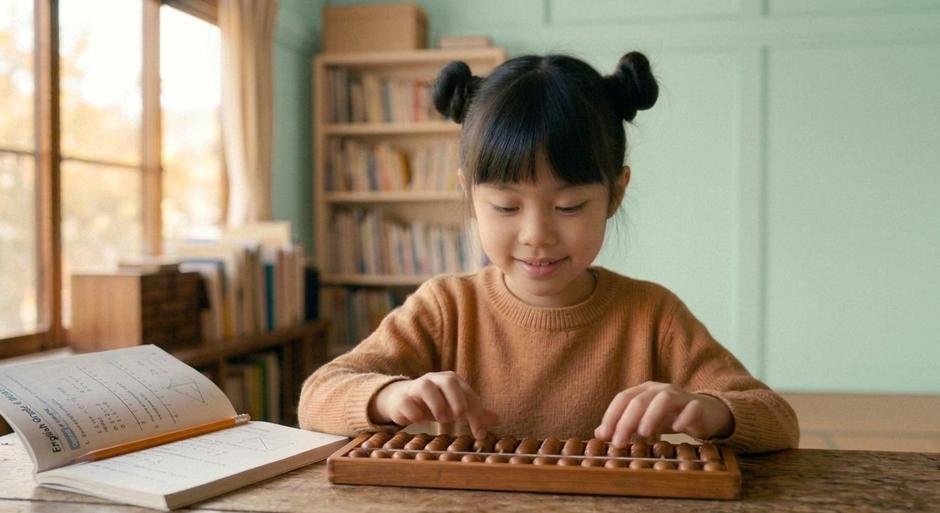
Counting objects, arranging blocks, using an abacus and completing simple memory games all provide opportunities to practise attention.
When children find activities interesting, they are often more motivated to remain involved.
3. Create a Comfortable Learning Environment
A quiet and organised space can make it easier for children to concentrate.
Reduce unnecessary background noise, provide suitable materials and keep activities within easy reach.
A predictable learning routine can also help children understand when it is time to focus.
4. Encourage Breaks and Movement
Children need opportunities to move, play and rest.
Alternating focused activities with physical movement can help prevent frustration and keep learning enjoyable.
Remember that breaks are not a failure to concentrate. They are a normal part of children’s developmental needs.
5. Celebrate Effort, Not Just Results
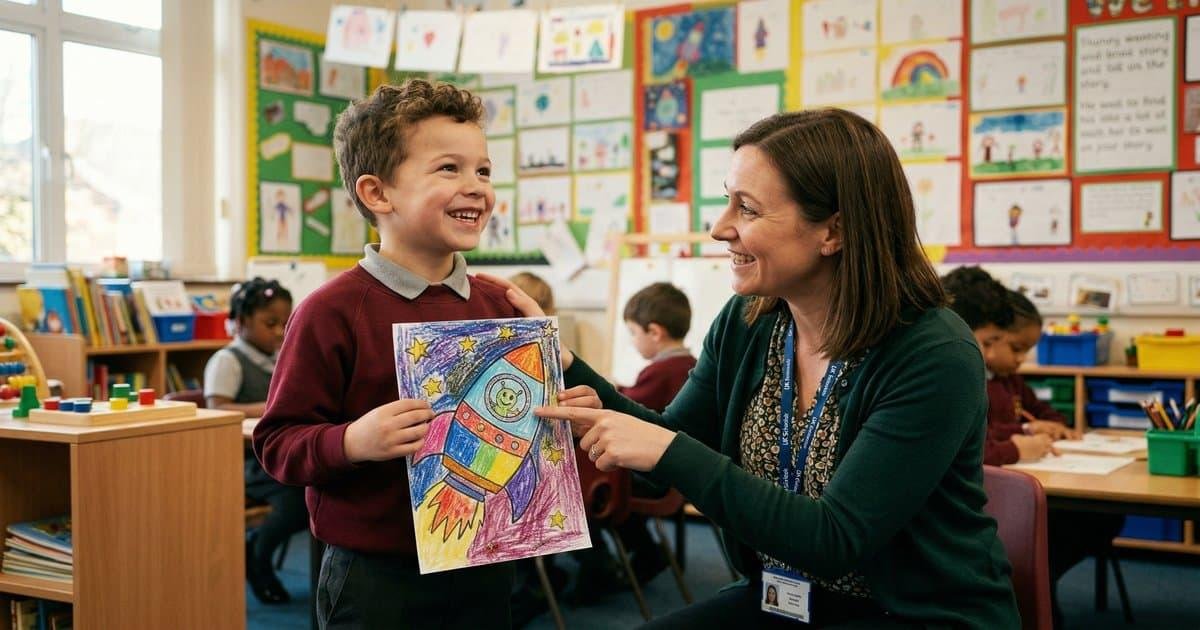
When a child completes a difficult activity, acknowledge the effort involved.
Try saying, “I noticed how carefully you worked on that,” rather than focusing only on whether the answer was correct.
This encourages children to value persistence and improvement.
Small Habits Can Make a Difference
Developing concentration takes time, patience and encouragement.
At Shenmo Education Cambodia, we value learning experiences that give children opportunities to practise attention, reasoning and problem-solving.